Walk down any shampoo aisle and you’ll see the same word over and over again on ingredient labels: “fragrance” (or sometimes “parfum”).
It sounds harmless. Even appealing.
But if you’re trying to choose safer, gentler products – especially for sensitive skin, children, or long-term health – it’s worth understanding what that one word can actually mean.
The short answer
Fragrance in shampoo isn’t automatically unsafe – but it’s one of the least transparent ingredients on the label.
That’s why many people choose to avoid it.
Why “fragrance” is different from other ingredients
Most ingredients in your shampoo have to be listed individually.
Fragrance doesn’t.
Instead, companies can group dozens (sometimes hundreds) of chemicals under a single word:
- Fragrance
- Parfum
This is allowed because fragrance formulas are considered trade secrets in the U.S.
So when you see “fragrance” on a label, you’re not seeing what’s actually in it.
What can be hidden under “fragrance”?
Fragrance blends can include:
- Synthetic scent chemicals
- Preservatives
- Solvents
- Phthalates (used to make scent last longer)
Not all products contain problematic ingredients – but the key issue is:
You can’t tell from the label
Why phthalates matter
Phthalates are often mentioned in discussions about fragrance.
They’re used to help scent “stick” to hair and skin, but some types have raised concerns because they may act as endocrine disruptors.
In the U.S., phthalates are restricted in certain products (like children’s toys), but they’re still allowed in cosmetics.
And crucially:
- They don’t have to be listed separately if they’re part of a fragrance blend
So a product can be labelled:
- “phthalate-free” → if they’ve chosen to avoid them
- or just contain “fragrance” → with no further detail
Does fragrance cause irritation?
For many people, fragrance is the number one trigger for scalp or skin irritation.
You might notice:
- itchiness
- dryness
- redness
- dandruff-like flaking
This is especially common if you have:
- sensitive skin
- eczema
- a reactive scalp
Even “natural” fragrances (like essential oils) can cause irritation in some people.
“Natural fragrance” – is it better?
Not necessarily.
Terms like:
- “natural fragrance”
- “derived from essential oils”
…sound reassuring, but they still don’t require full disclosure.
Some natural ingredients are actually more allergenic than synthetic ones.
So the same rule applies:
If it just says “fragrance,” you still don’t know what’s in it
So should you avoid fragrance completely?
It depends on your priorities.
You might choose to avoid it if you:
- have sensitive skin or scalp
- are trying to reduce exposure to certain chemicals
- prefer more transparency in ingredient lists
If none of those apply, and a product works well for you, there’s no need to panic.
What to look for instead
If you want a simpler, more transparent option, look for:
1. “Fragrance-free”
This means:
- no added scent chemicals
- no hidden blends
(Note: “unscented” is not the same – it can still contain masking fragrance)
2. Clearly listed essential oils
Some brands list ingredients like:
- lavender oil
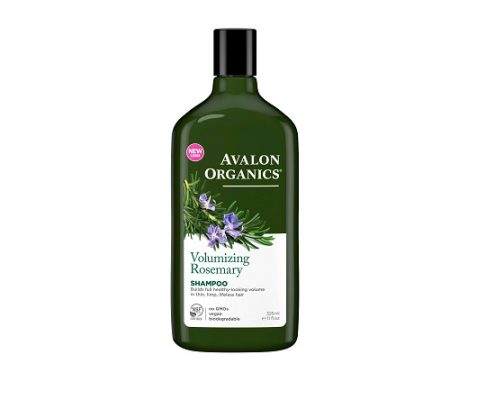
- rosemary oil
This is more transparent than “fragrance,” although still not risk-free for sensitive skin.
3. Short, simple ingredient lists
Fewer ingredients generally means:
- fewer unknowns
- lower chance of irritation
Safer shampoo options to consider
Here are a few types of products that tend to avoid hidden fragrance blends:
- Fragrance-free shampoos for sensitive skin
- Sulfate-free, low-foaming formulas with simple ingredients
- Brands that explicitly state “no synthetic fragrance” or “no phthalates”
(You can see some curated options in our recommended shampoo list.)
The bottom line
Fragrance in shampoo isn’t automatically dangerous.
But it is:
- poorly disclosed
- sometimes linked to irritation
- a potential source of ingredients you might prefer to avoid
That’s why many people choose to skip it – especially when there are plenty of good alternatives available.
A simple rule to follow
If you want maximum transparency:
Avoid products that list “fragrance” or “parfum” and choose ones that spell out their ingredients instead.